Rat burrow treatment in Plano
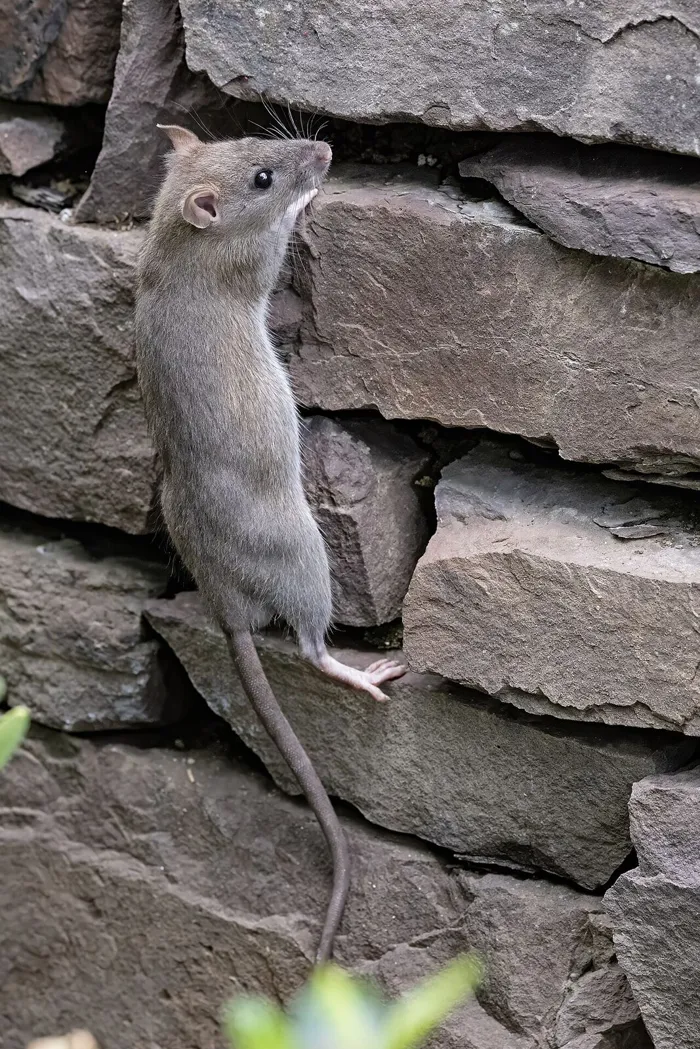
Round holes in the yard, two to four inches across, with loose dirt pushed out in front. A smooth path through the grass between them. Those are Norway rat burrows, and they're common in Plano yards that back onto creeks, greenbelts and drainage channels.
Burrow treatment is the ground-level half of Norway rat control. The goal is to remove the rats living in the burrows, then collapse and fill the holes and make the spot less inviting so a new group doesn't move in.
How to spot a rat burrow
Rat burrows usually sit against something solid. Check these spots:
- Along the slab edge, especially under an AC pad or a patio
- Beneath a shed floor or a deck
- At the base of a fence that backs onto a creek or greenbelt
- Under thick shrubs, ivy or a woodpile
- Near compost bins, chicken coops and bird feeders
What a thorough burrow job includes
Ask the provider whether the plan covers:
- Mapping every burrow on the property, including under the shed and deck
- Tracking which holes are active by loosely closing them and checking which get reopened
- Covered traps on the runways, or bait in locked, anchored stations near the burrows
- Collapsing and filling inactive burrows with soil, then tamping it down
- Hardware cloth buried along a shed or deck edge to stop new digging
- Advice on removing the food that drew the rats
Something in the attic or the garage?
Want a local rodent technician to look at it? Same-day appointments are often available. (972) 325-9652
Step by step
On the first visit the technician walks the yard, finds the burrows and loosely closes each one with soil or paper. A day or two later, the reopened holes show which ones are active. Traps go along the runways leading to those holes, covered so pets and birds can't reach them. If bait is used, it goes in locked stations anchored in place, not loose down a hole.
When the active holes stay closed, the technician collapses and fills them. Sheds and decks sitting low to the ground may get an L-shaped skirt of hardware cloth buried in the soil, so rats that dig down hit metal and turn back.
Why burrows are common in Plano
Plano kept a lot of creek corridors as it grew: Rowlett Creek, Russell Creek, Spring Creek and their tributaries all run through neighborhoods. Norway rats live along those banks and move into back yards for food. The clay soil holds a burrow shape well when it's moist, and in a dry August it cracks open along slabs and fence footings, giving rats a head start.
Yards in Russell Creek, around Los Rios and along the east side greenbelts in East Plano see this most.
What you can do
Rake up spilled bird seed every few days. Close the compost bin, and keep meat and dairy out of it. Feed pets inside. Keep firewood and lumber up off the ground and away from the fence. Don't fill the holes before the technician sees them; the pattern of holes tells them how many rats there are.
Burrows near pools, patios and slabs
Burrows next to hard surfaces are more than a nuisance. Rats tunneling under a patio, a pool deck or the edge of a slab remove soil that supports the concrete, and over time that can leave a hollow spot. Clay that's been dug out and then soaked by a storm can settle unevenly. If you see cracks or a sunken corner near an old burrow, mention it to the technician and consider having the concrete looked at.
AC pads are another favorite spot. The pad sits a few inches off the ground on loose fill, and the hum and warmth don't bother rats. A burrow under the pad can also put rats right next to the line set where it enters the house.
Common questions
Can I just pour something down the hole?
Don't. Loose poison or chemicals in a burrow can reach pets, birds and groundwater, and the rats often dig a new exit.
Are these holes from rats or something else?
Rat burrows are usually two to four inches wide with a worn path and fresh dirt. Snake holes and vole holes look different. A technician can tell.
Will the rats move into my house?
They may try the garage or the shed. Seal those first.
How long until the burrows are gone?
Usually a few weeks. Burrows have to go inactive before they're filled.
Does the city treat burrows on public land?
If you see heavy rat activity on public property or a neighboring lot, the Plano reporting guide explains how to file a request.
Should I put gravel in the burrows?
Soil tamped firmly is usually enough once the burrow is inactive. Along a shed or deck, buried hardware cloth does more than gravel.
Do burrows mean rats are in my house?
Not necessarily, but rats living at the slab are close. Check the garage and the shed for droppings, and have the technician look at gaps at ground level.
Ready to have someone look?
Call and describe what you're seeing. Same-day appointments are often available. (972) 325-9652
Related reading
- How to get rid of rats in Plano
- Plano trash, yard and property rules that affect rodents
- Why rats come back after an exterminator
Service areas: West Plano, East Plano, Downtown Plano, Legacy West and Legacy, Willow Bend, Los Rios, Hunters Glen, Deerfield, Russell Creek, Allen, Richardson, Murphy, Frisco, Wylie, Parker, Carrollton, The Colony.